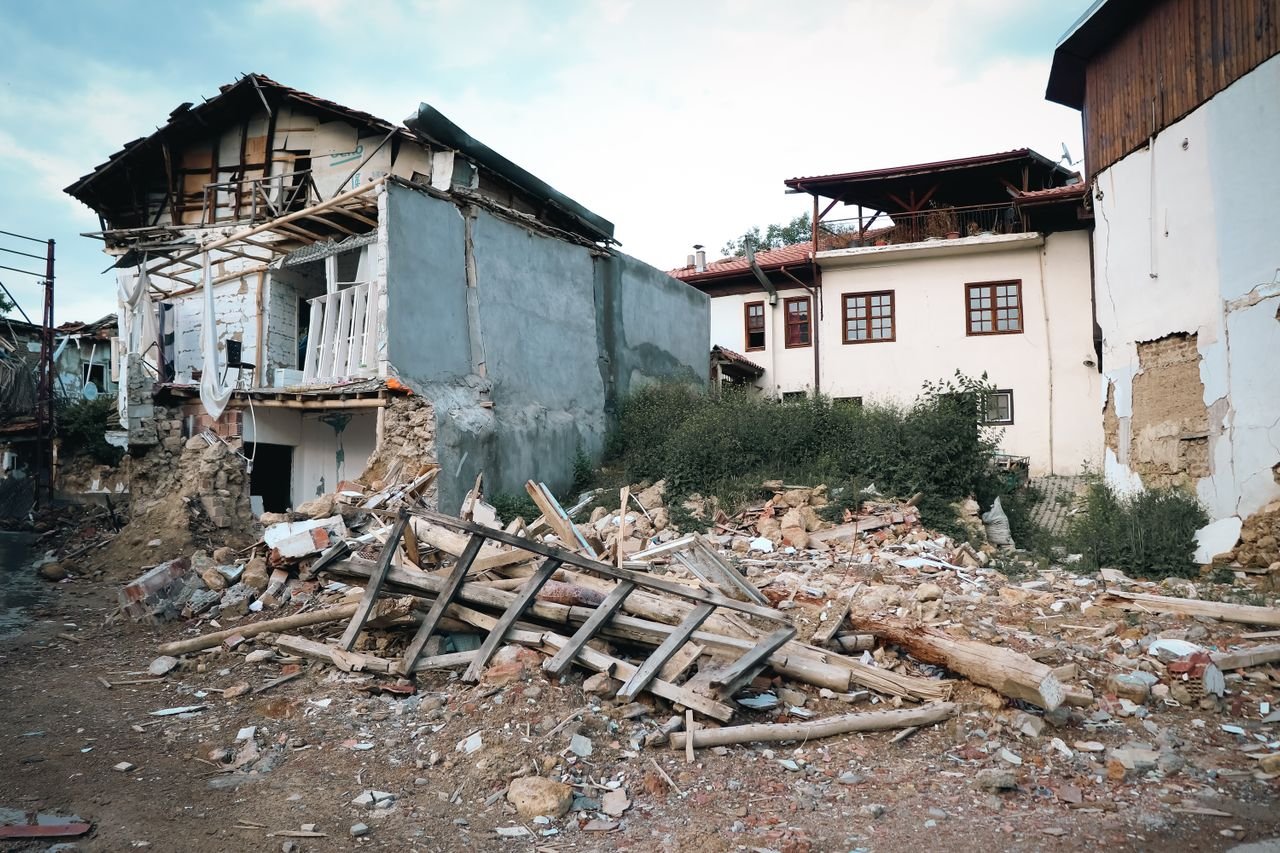
On Tuesday afternoon, a powerful magnitude 7.1 earthquake struck Kumamoto Prefecture in southern Japan. The quake reached the highest level on Japan’s seismic scale, causing widespread destruction, injuries, and a brief tsunami alert that has since been lifted.

The Quake
* Time: 4:27 p.m. JST (7:27 a.m. UTC)
* Magnitude: 7.1 (Japan Meteorological Agency) / 6.8 (USGS)
* Epicenter: Kumamoto region, near Uto City, at a shallow depth of about 10 km
* Maximum Intensity: Shindo 7 (the highest on Japan’s 0-7 scale) in Uki City and Hikawa Town-the first to be registered since the 2024 Noto Peninsula earthquake
* Felt across: Much of Kyushu, with intensity 6+ shaking reported in parts of Yatsushiro, Uto, Mashiki, Misato, and Kumamoto City
The earthquake occurred along active faults in the same area that was devastated by the 2016 Kumamoto earthquakes.
Tsunami Situation
The Japan Meteorological Agency (JMA) immediately issued a tsunami advisory for the Ariake and Yatsushiro seas, warning of possible waves up to 1 meter. The advisory was lifted entirely by 6:10 p.m. Local time, less than two hours later, as no significant waves were detected.
Experts noted that because the earthquake was largely inland and of a strike-slip (horizontal movement) nature rather than a major vertical seafloor disruption, the risk of a damaging tsunami was inherently low.
No further tsunami alerts are in effect.
Damage and Casualties (Preliminary)
* Injuries: At least 50 people hospitalized in Kumamoto City alone, with one reported unconscious. Dozens more received treatment in Hikawa and other locations, and hospitals continue to admit patients.
* Possible fatalities: Local police sources reported potential deaths in a partially collapsed Aeon Mall in Kashima, where the central section of the building gave way amid reports of an explosion and smoke. The exact number is still being confirmed as rescue operations continue.
* Buildings: At least 12 houses collapsed. Significant structural damage, along with fires in Uki and Yatsushiro, was reported. Further damage was sustained by Kumamoto Castle, which was already undergoing long-term repairs following the 2016 quake.
* Infrastructure:
* Power outages affected approximately 48,300 households.
* Sections of the Kyushu Expressway, including overpasses near Yatsushiro, were closed or damaged.
* The Kyushu Shinkansen and many local train lines were suspended. A freight train derailed near Yatsushiro.
* Kumamoto Airport temporarily closed its runway.
* Landslides were reported in surrounding areas.
Aftershocks and Ongoing Risk
Powerful aftershocks, including several registering between magnitude 5.6 and 6.1, have continued to rock the region. JMA has warned residents to be prepared for possible additional quakes of similar intensity (up to Shindo 7) over the next week, particularly in the coming 2-3 days.
Official Response
Prime Minister Sanae Takaichi has established an emergency disaster task force, designated life-saving operations as the highest priority, and authorized the deployment of thousands of Self-Defense Forces personnel. All nuclear facilities in the affected region reported no abnormalities. Authorities continue to urge residents to avoid damaged buildings, remain vigilant for aftershocks, and take precautions against heatstroke during the current summer heat.
The full extent of the disaster is still unfolding as search-and-rescue teams work through the night.