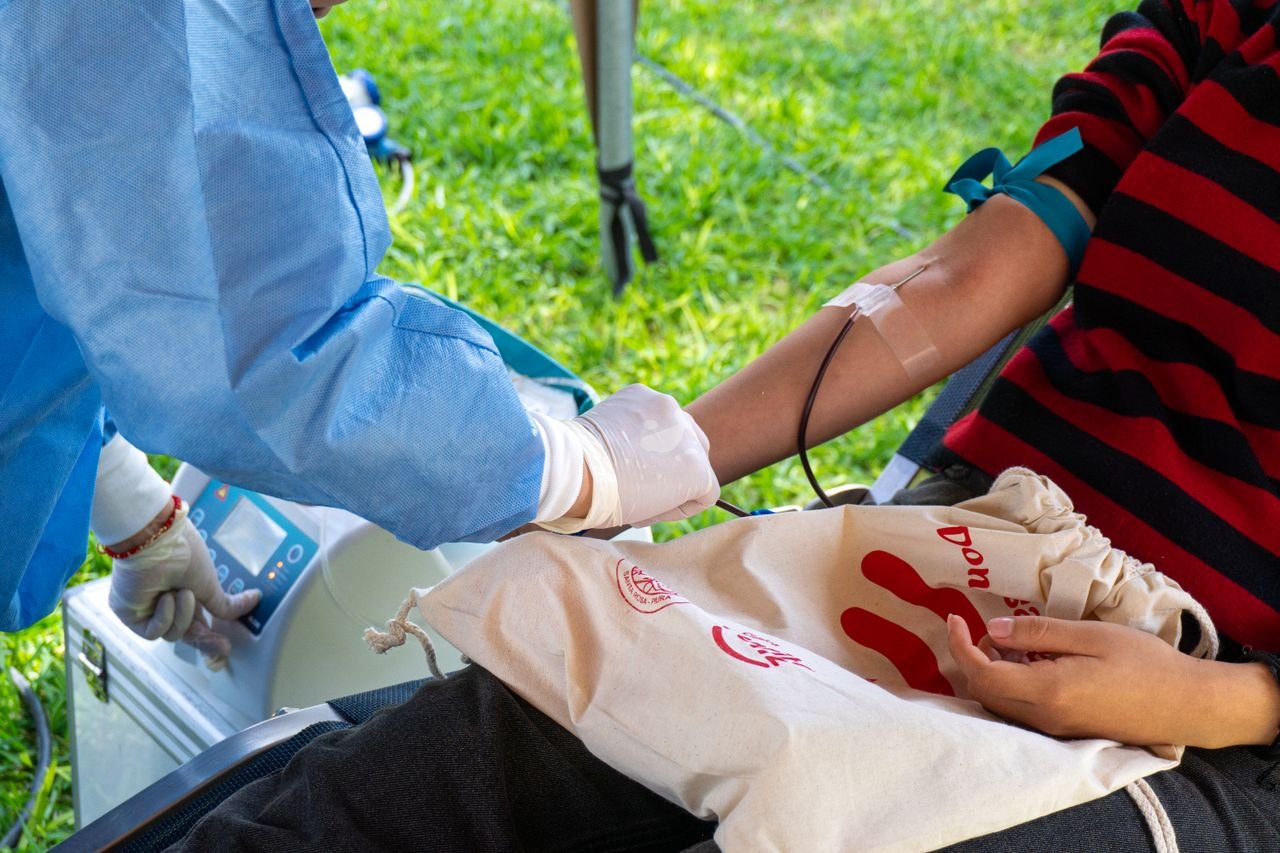
The American Red Cross announced a national blood crisis for the second time in its history on July 27, 2026, stating that the critically low levels of blood threaten patient treatment all over the United States. Donations have dropped to the lowest point they have been at in four years this summer, worsening the emergency shortage which was first identified earlier that month. Since the organization provides around 40% of the country’s blood, it is now restricting the amount of type O blood products issued to hospitals in order to save them for the most serious cases.
How the Shortage Escalated
Initial Emergency Declaration
The situation arose after an emergency shortage had been declared around July 14, 2026; at that point the Red Cross had stated that the supply of blood had fallen by nearly 25 per cent in June. The number of donations failed to meet hospital demand, donations sent to hospitals being about 3,500 units above what was expected during the peak trauma period. The reasons were the busy summer schedules and the usual seasonal decline in school blood drives.
Worsening Conditions by Late July
By the end of July the situation had got worse. The intense heat, the bad air quality and the large number of cases of foodborne illness all contributed to a decline in the number of people who donated blood. Even though thousands had reacted to previous appeals, the amount of money donated still did not match the demand. The supply of type O positive blood—the blood type most often required—fell below one day’s requirement. While all blood types are necessary, the shortage is most severe for type O.
“This summer has presented a number of unusual difficulties which have placed extra pressure on our blood supply and have therefore led to increasing worries among hospitals and the patients who depend on life-saving transfusions,” said Paul Sullivan, senior vice president of donor services with the Red Cross. “Were it not for the fact that three more people donated at each blood drive this summer, we would have been able to help the blood supply recover and make certain that hospitals have the blood products they need for the rest of the season.”
Impact on Patients and Hospitals
Strain on Medical Services
Blood cannot be stored for long periods due to its short shelf life and so it has to be constantly replaced by voluntary donors. In the United States there is a demand for a blood transfusion every two seconds, and this shortage is placing a strain on emergency departments, operating rooms, labour and delivery units, cancer treatment services, the care of patients with sickle cell disease, and trauma victims.
Hospital Distribution Restrictions
The effects are already being felt by hospitals, with the Red Cross now limiting the distribution of type O blood in order to meet its most urgent requirements, which increases the chance that some elective or less urgent operations could be delayed should the supply situation not improve. Previous comments from the Red Cross’s medical directors stressed that if there is not enough blood available, doctors might have to make difficult decisions regarding patient care.
Incentives and Call to Action
How to Donate
The Red Cross is asking eligible donors—particularly those who have type O blood—to book their appointments right away. You can do this by using the Blood Donor App, by visiting RedCrossBlood.org, or by calling 1-800-RED CROSS (1-800-733-2767).
Promotional Offers
Promotional incentives are in place to encourage participation:
Donors who donate by 31 July 2026 will receive a Fandango movie ticket by email (the amount covering the price of the ticket and fees being up to $15).
Those with blood group O who donate by July 31 will also get a bonus in the form of a $20 e-gift card.
A $20 Amazon gift card will be sent by email to anyone who donates between 1st and 31st August 2026.
The organisation points out that even a small rise in turnout can have a noticeable effect; blood drives are still going on, and donors can use RapidPass to fill in their health history questions online before their appointment in order to speed up the process.
Broader Context
A Recurring Summer Challenge
In the United States summer blood shortages continue to be a regular problem as a result of people going on vacation, schools closing and other commitments, but in 2026 the combination of severe weather and illness has made the situation especially disruptive. The Red Cross has for a long time observed a difference between what the public thinks and the actual situation: most people do not realize how often blood is required and instead overestimate the capacity to store large amounts.
The Ongoing Need for Donors
The American Red Cross is still stressing that its blood services depend completely on volunteer donors and on public support. People who are eligible are advised to check the eligibility criteria (which include general health, travel, medications, tattoos, and other matters) and to book an appointment as soon as they can.
The present crisis in the supply of blood highlights the vulnerability of the blood supply system and shows that there is still a constant need for participation from the community. Throughout the country hospitals and patients rely on people now coming forward as donors in order to help stabilize the supplies for the rest of the summer and beyond.