Overview
Iran fired several ballistic missiles at U.S. forces in the Middle East on Tuesday, July 28, 2026. The U.S. Central Command called it an attempted surprise attack. Luckily, all the missiles were shot down, and no one was hurt or anything damaged.
This attack happened after a short break in the fighting of the ongoing Iran war, which started on February 28, 2026, with joint U.S. and Israeli attacks on Iran. The war is also called Operation Epic Fury from its early days. Before this missile incident, there had been about two weeks of U.S. bombing Iran every night, and Iran had responded with missiles and drones. Mediators were trying to get talks going again to reach a ceasefire.
Here’s what happened:
When and What
CENTCOM said that around 5:45 p.m. Eastern Time on July 28, Iran’s Revolutionary Guard forces launched ballistic missiles from Iran toward U.S. troops in the Middle East. All of them were intercepted. U.S. forces said they were staying alert and ready.
The Target
Reports, including one from Axios that quoted a U.S. official, suggested the missiles were aimed at a U.S. base in Jordan, possibly the Muwaffaq Salti Air Base near Azraq. Iran’s Revolutionary Guards later claimed responsibility, saying they fired missiles at a U.S. air base and a military command center in Jordan to retaliate against U.S. actions.
The Result
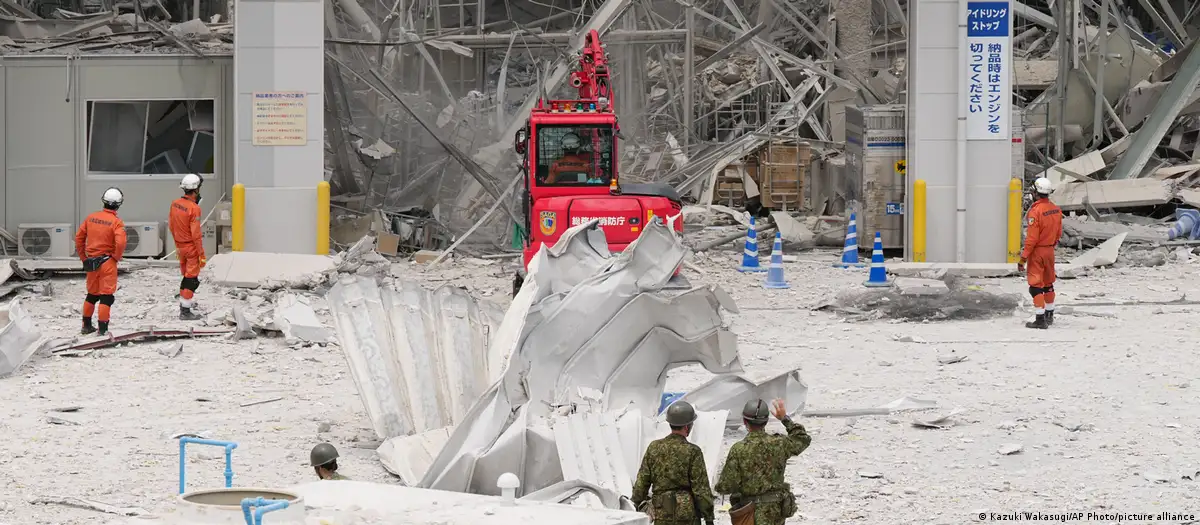
None of the missiles hit their targets. No U.S. soldiers were injured, and there was no significant damage from this event.
Why This is Happening
This attack took place during a long conflict involving major U.S. and Israeli bombings inside Iran. Iran has been striking back at U.S. bases and infrastructure in the Gulf region, hitting places like Qatar, Bahrain, UAE, Kuwait, Iraq, Saudi Arabia, and Jordan. Shipping in the Strait of Hormuz has also been disrupted, leading to many deaths and people being displaced.
U.S. and Saudi Arabia Strike Back
Later on Tuesday, CENTCOM and the Saudi Arabian military carried out precise strikes in eastern Iraq. They targeted locations used by militant groups supported by Iran, which they said had been attacking U.S. forces and Saudi energy facilities, including recent drone attacks on oil sites. Saudi Arabia confirmed the joint operation and warned that further aggression would be met with a response, though they stated they weren’t looking to escalate. Iraq’s Popular Mobilisation Forces reported some people were hurt in the strikes, while Iraqi militias denied being involved in the earlier drone attacks on Saudi targets.
Other Regional Events
Saudi Arabia also reported intercepting drones that came from Iraq and were launched by groups linked to Iran, marking the second day in a row this has happened. The Houthi rebels in Yemen, who are backed by Iran, claimed they attacked Saudi shipping in the Red Sea and the Bab el-Mandeb strait. Iranian state media later announced they had struck and stopped three oil tankers in the Strait of Hormuz. As tensions rose, oil prices went up, with Brent crude reported to be around $88 a barrel.
Diplomatic Moves
The missile launch happened while Israeli Prime Minister Benjamin Netanyahu was meeting with U.S. President Donald Trump in Washington. Trump had recently paused a major U.S. bombing campaign, mentioning good talks, but also warned that military action would resume if negotiations failed. Iran, in some statements, has denied wanting to restart talks. Both leaders are facing pressure at home due to the war’s economic effects and its general unpopularity.
There are still worries about the U.S. running out of interceptor missiles for its Patriot and THAAD systems, which have been used a lot in the conflict. However, the Pentagon has pushed back against claims that their defensive capabilities are weakened.
Current Situation
The situation is still unstable. Even though diplomatic efforts are happening behind the scenes, there’s a risk of the conflict escalating further. The war has already caused thousands of deaths and forced millions to leave their homes across the region. Officials from various countries have called for calm while also preparing for potential further responses.